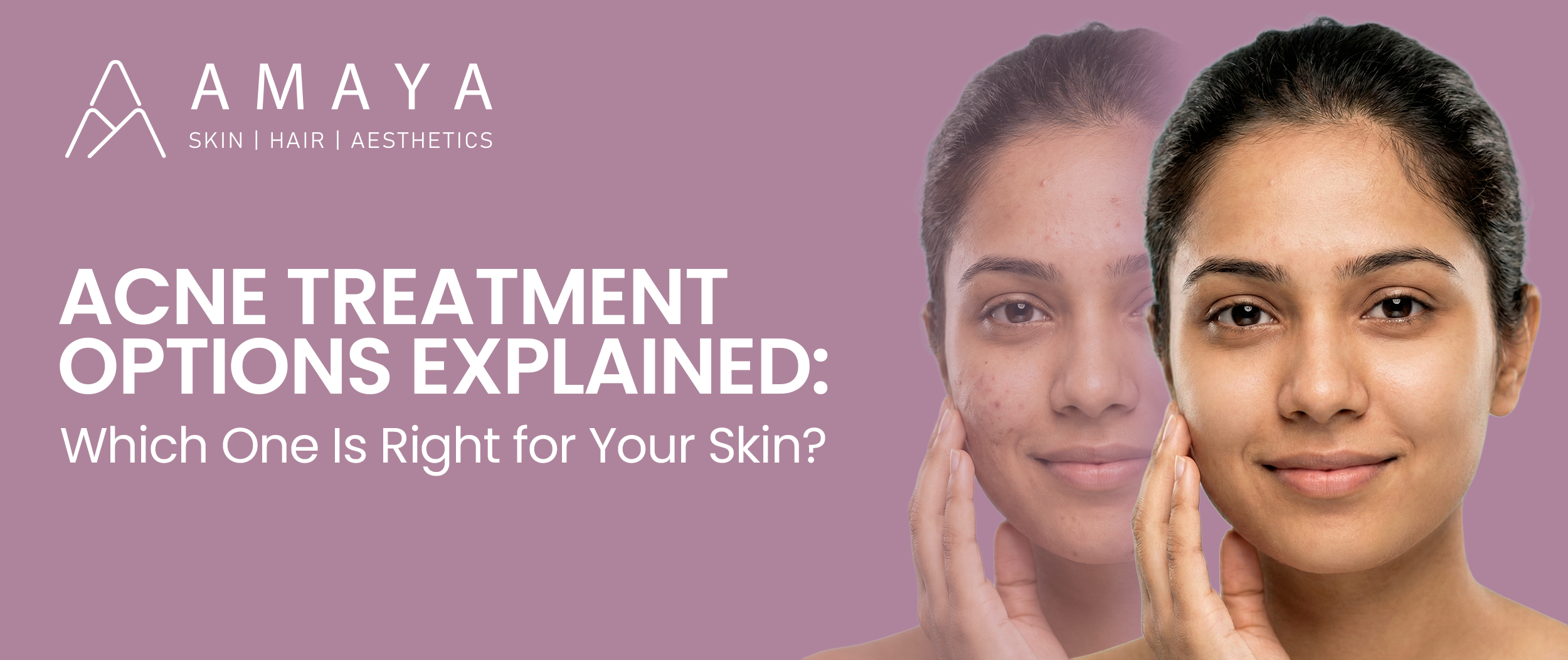
Acne Treatment Options Explained: Which One Is Right for Your Skin?
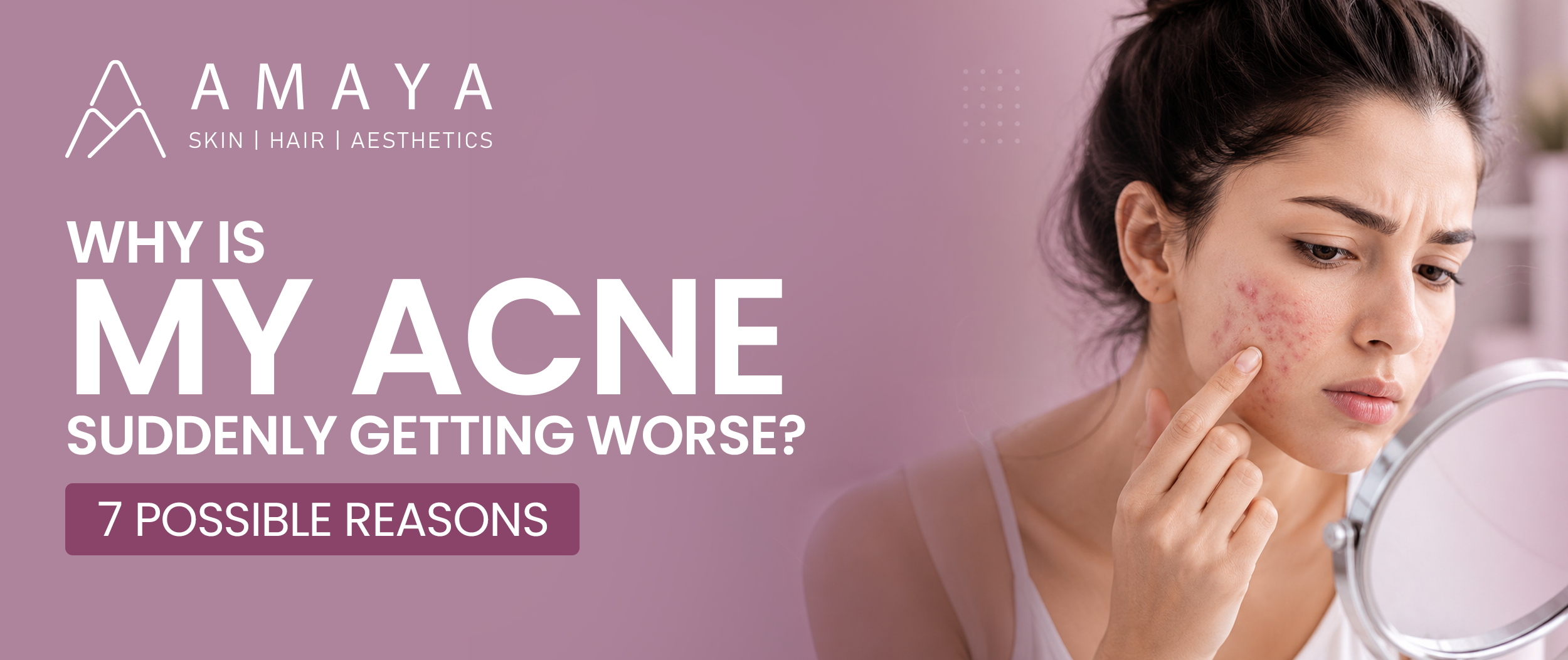
Acne is more than just a skin concern—it can affect self-confidence, emotional well-being, and overall quality of life. While commonly associated with teenagers, acne affects people of all ages, including adults. From occasional breakouts to persistent, painful cysts, acne presents in many forms, and understanding the right treatment approach is key to achieving clear, healthy skin.
Dr. Shama Reddy at Amaya Clinic, takes a personalized and holistic approach to acne treatment, ensuring that each patient receives care tailored to their skin type, lifestyle, and severity of acne.
Understanding Acne and Its Causes
Acne develops when pores become clogged with excess oil (sebum), dead skin cells, and bacteria. This blockage leads to blackheads, whiteheads, pimples, nodules, or cysts. Several factors contribute to acne, including:
- Hormonal changes (especially during puberty, pregnancy, or menstrual cycles)
- Genetic predisposition
- Stress
- Certain medications
- Inappropriate skincare products
- Diet and lifestyle factors
Because acne has multiple contributing factors, treatment must be individualized rather than relying on a single solution.
-
Skincare and Lifestyle Adjustments
For mild acne, the foundation of treatment often starts with proper skincare habits and lifestyle modifications. These steps support the skin barrier and help prevent new breakouts.
Gentle Cleansing
Cleansing the skin twice daily with a mild, non-irritating cleanser helps remove dirt, oil, and impurities without stripping the skin of its natural moisture.
Avoid Over-Exfoliation
Excessive scrubbing or harsh exfoliants can worsen acne by irritating the skin and increasing inflammation.
Use Non-Comedogenic Products
Moisturizers, sunscreens, and makeup should be labeled as non-comedogenic to avoid clogging pores.
Healthy Lifestyle Choices
Adequate hydration, stress management, balanced nutrition, and quality sleep all play a role in maintaining healthy skin.
While lifestyle changes alone may not resolve moderate or severe acne, they are essential for supporting any medical treatment plan.
-
Over-the-Counter Acne Treatments
For mild acne, over-the-counter products can be effective when used consistently and correctly.
Benzoyl Peroxide
This ingredient helps reduce acne-causing bacteria and inflammation. It is commonly used in cleansers and spot treatments.
Salicylic Acid
Salicylic acid penetrates deep into pores, helping to dissolve oil buildup and prevent blockages.
Topical Retinoids
Mild retinoids available without prescription help normalize skin cell turnover, reducing clogged pores and preventing future breakouts.
OTC treatments typically require several weeks of regular use before visible improvement occurs.
-
Prescription Topical Treatments
When acne does not respond to over-the-counter options, prescription topical medications may be necessary.
Prescription Retinoids
Stronger retinoids help prevent clogged pores, reduce inflammation, and improve overall skin texture. They are a cornerstone of acne therapy.
Topical Antibiotics
These medications reduce bacteria and inflammation and are often combined with other treatments to improve effectiveness.
Azelaic Acid
A versatile treatment that helps reduce acne, redness, and post-acne pigmentation, making it suitable for sensitive skin types.
Combination Therapy
Often, the best results come from combining multiple topical treatments in a structured routine, something best guided by a dermatologist.
At Amaya Clinic, Dr. Shama Reddy customizes topical regimens to minimize irritation while maximizing results.
-
Oral Medications for Moderate to Severe Acne
When acne is widespread, persistent, or inflammatory, oral medications may be recommended.
Oral Antibiotics
Used for a limited duration, these medications help reduce inflammation and bacterial growth throughout the body.
Hormonal Therapy
For women with hormonally driven acne, treatments that regulate hormone activity can significantly reduce breakouts, especially around the jawline and chin.
Oral Isotretinoin
This powerful medication is reserved for severe or treatment-resistant acne. It works by reducing oil production, inflammation, and bacterial activity. Due to its strength, careful monitoring is required throughout the treatment course.
Dr. Shama Reddy ensures that patients receive thorough counseling and monitoring when oral medications are part of their acne treatment plan.
-
Advanced In-Clinic Acne Treatments
In-clinic procedures can enhance results, speed up recovery, and address stubborn acne or scarring.
Chemical Peels
Medical-grade peels exfoliate the skin, unclog pores, and improve texture while reducing active acne.
Light and Laser Therapies
These treatments target acne-causing bacteria, reduce inflammation, and promote healing.
Intralesional Injections
For painful cystic acne, targeted injections can rapidly reduce swelling and discomfort.
These treatments are safely performed at Amaya Clinic under the expert supervision of Dr. Shama Reddy.
Choosing the Right Acne Treatment
The most effective acne treatment depends on several factors:
- Type of acne (comedonal, inflammatory, cystic)
- Severity and duration
- Skin type and sensitivity
- Previous treatments tried
- Presence of acne scars or pigmentation
There is no universal solution. That’s why a professional evaluation is essential. Dr. Shama Reddy focuses on identifying the root cause of acne and designing a long-term plan rather than offering quick, temporary fixes.
How Long Does Acne Treatment Take?
Acne treatment requires patience. Most treatments take 6 to 12 weeks to show noticeable improvement. Initial flare-ups can occur with certain medications, especially retinoids, but this is usually temporary. Consistency and follow-up are crucial for long-term success.
Preventing Acne Recurrence
Once acne is under control, maintenance therapy helps prevent future breakouts. This may include:
- Continued use of mild topical medications
- Customized skincare routines
- Periodic clinic treatments
- Lifestyle adjustments
Regular follow-ups at Amaya Clinic help ensure that your skin stays clear and healthy.
Conclusion: Expert Acne Care at Amaya Clinic
Acne can be frustrating, but it is highly treatable with the right approach. From simple skincare adjustments to advanced medical and in-clinic treatments, there are multiple effective options available. The key lies in choosing the treatment that suits your skin’s unique needs.
Dr. Shama Reddy At Amaya Clinic, offers expert, personalized acne care using evidence-based treatments and a compassionate approach. Whether you are dealing with mild breakouts or severe, persistent acne, professional guidance can make all the difference.
Clearer skin starts with the right diagnosis, the right treatment, and the right expert by your side.
Clear acne with the right treatment—consult Dr. Shama Reddy at Amaya Clinics. Call +91 95757 96767 and book your appointment today.
Leave a Reply