
Female-Pattern Hair Loss Explained: Causes, Stages, and Treatment Options
Hair thinning and hair loss can be emotionally challenging for women at any stage of life. While shedding a few strands daily is normal, progressive thinning over the crown or widening of the part line may signal Female-Pattern Hair Loss (FPHL). This condition is one of the most common causes of hair loss in women, yet it is often misunderstood or mistaken for temporary shedding.
Understanding what female-pattern hair loss is, why it happens, how it progresses, and what treatment options are available can help women take early and effective action. With the right diagnosis and medical guidance, hair loss can often be slowed, managed, and in many cases visibly improved.
What Is Female-Pattern Hair Loss?
Female-pattern hair loss, also called female androgenetic alopecia, is a long-term condition characterized by gradual thinning of hair, mainly over the top and crown of the scalp. Unlike male pattern baldness, women usually do not lose the frontal hairline completely. Instead, hair becomes finer, shorter, and less dense over time.
At the root of the condition is a process known as follicular miniaturization. Hair follicles shrink gradually, producing thinner hairs with shorter growth cycles. Over time, the scalp appears more visible, and overall hair volume decreases.
FPHL can begin as early as the late teens or twenties, but it is most commonly noticed during the 30s, 40s, or after menopause.
Causes of Female-Pattern Hair Loss
Female-pattern hair loss is multifactorial, meaning it develops due to a combination of internal and external factors rather than a single cause.
- Genetic Predisposition
Genetics play a significant role. Women with a family history of hair thinning—on either the mother’s or father’s side—are more likely to develop FPHL. Genetic sensitivity of hair follicles makes them more vulnerable to hormonal changes over time.
- Hormonal Influences
Hormones have a major impact on hair growth:
- Androgens (male hormones):Even though women have lower androgen levels than men, hair follicles can be sensitive to these hormones, leading to gradual thinning.
- Estrogen decline:During menopause, reduced estrogen levels shorten the hair growth phase and slow new hair production.
- Hormonal disorders:Conditions such as polycystic ovary syndrome (PCOS), thyroid imbalance, or post-pregnancy hormonal shifts may worsen or trigger hair loss.
- Aging
As women age, hair growth naturally slows. Hair follicles spend less time in the active growth phase and more time in the resting phase, contributing to thinning and reduced density.
- Lifestyle and Health Factors
While not primary causes, factors such as chronic stress, nutritional deficiencies (iron, protein, vitamin D), poor scalp health, and crash dieting can accelerate hair thinning and reduce treatment effectiveness.
Stages of Female-Pattern Hair Loss
Female-pattern hair loss progresses gradually, often over years. Recognizing the stage early improves treatment success.
Stage 1: Mild Thinning
- Slight widening of the central part line
- Minimal reduction in hair volume
- Often unnoticed by others
Stage 2: Moderate Thinning
- More visible scalp along the part
- Reduced hair density at the crown
- Hair appears flatter and less voluminous
Stage 3: Advanced Thinning
- Significant scalp visibility over the top
- Hair strands are noticeably finer
- Styling becomes difficult
Stage 4–5: Severe Hair Loss
- Diffuse thinning across a large area
- Marked reduction in hair coverage
- Follicles may become inactive without treatment
Early diagnosis is crucial because hair follicles that are permanently damaged are harder to revive.
How Female-Pattern Hair Loss Is Diagnosed
Proper diagnosis is essential to distinguish FPHL from other causes of hair loss such as telogen effluvium or autoimmune conditions.
A medical evaluation may include:
- Detailed medical and family history
- Scalp and hair examination
- Dermoscopic evaluation to assess follicle miniaturization
- Blood tests to rule out nutritional or hormonal issues
Accurate diagnosis ensures that treatment targets the root cause rather than just the symptoms.
Treatment Options for Female-Pattern Hair Loss
Although FPHL cannot always be completely reversed, modern treatments can slow progression, strengthen existing hair, and stimulate regrowth.
- Topical Minoxidil
Topical minoxidil is one of the most commonly prescribed treatments. It works by prolonging the hair growth phase and increasing follicle size. Consistent use for several months is required to see visible improvement.
- Oral Medications
In selected cases, doctors may prescribe low-dose oral medications that improve blood flow to hair follicles or reduce the effect of androgens. These treatments must always be supervised by a medical professional.
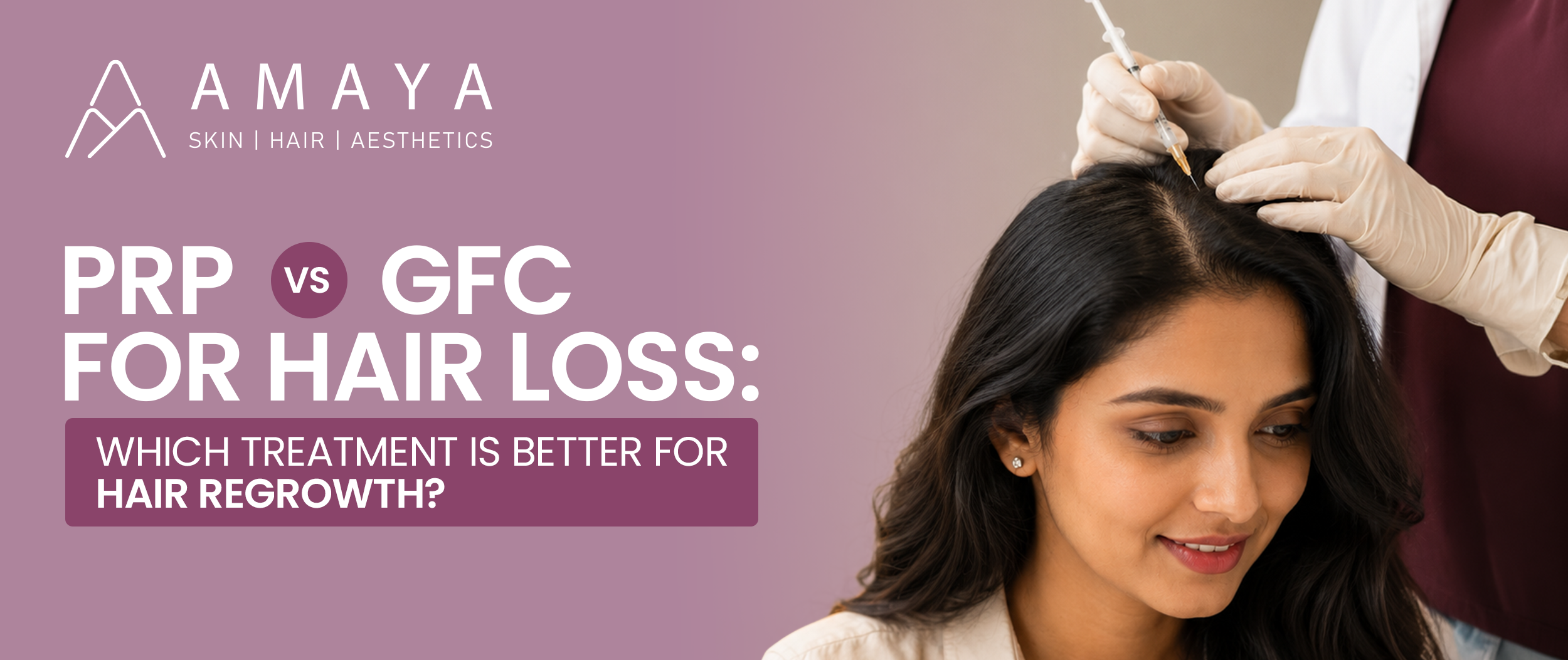
- Platelet-Rich Plasma (PRP) Therapy
PRP therapy involves using growth factors from the patient’s own blood to stimulate hair follicles. It is often used as part of a combination treatment plan for better results.
- Low-Level Laser Therapy
Laser devices can stimulate cellular activity in hair follicles, improving hair thickness and density when used regularly.
- Hair Transplantation
For women with stable hair loss and adequate donor hair, surgical options may be considered. Careful assessment is essential, as female hair loss patterns differ from male patterns.
- Nutritional and Lifestyle Support
A balanced diet rich in protein, iron, and essential vitamins supports hair health. Stress management, good sleep, and gentle hair care practices also enhance treatment outcomes.
Managing Female Hair Loss Emotionally
Hair loss affects more than just appearance—it can impact self-esteem and confidence. Seeking medical guidance early, setting realistic expectations, and following a structured treatment plan can significantly improve both hair health and emotional well-being.
Supportive counseling and professional reassurance often help women feel more empowered and informed throughout the treatment journey.
Conclusion
Female-pattern hair loss is a common, progressive condition, but it does not have to be faced without solutions. With early diagnosis, personalized treatment, and consistent care, many women can successfully slow hair thinning and improve hair density.
For women seeking expert evaluation and advanced hair loss management, Dr. Shama Reddy at Amaya Clinic provides individualized, science-based treatment plans tailored to each patient’s needs. With professional guidance and a holistic approach, managing female-pattern hair loss becomes a journey toward renewed confidence and healthier hair.
Female-pattern hair loss is treatable—consult Dr. Shama Reddy at Amaya Clinics, book your appointment or call +91 95757 96767

Leave a Reply