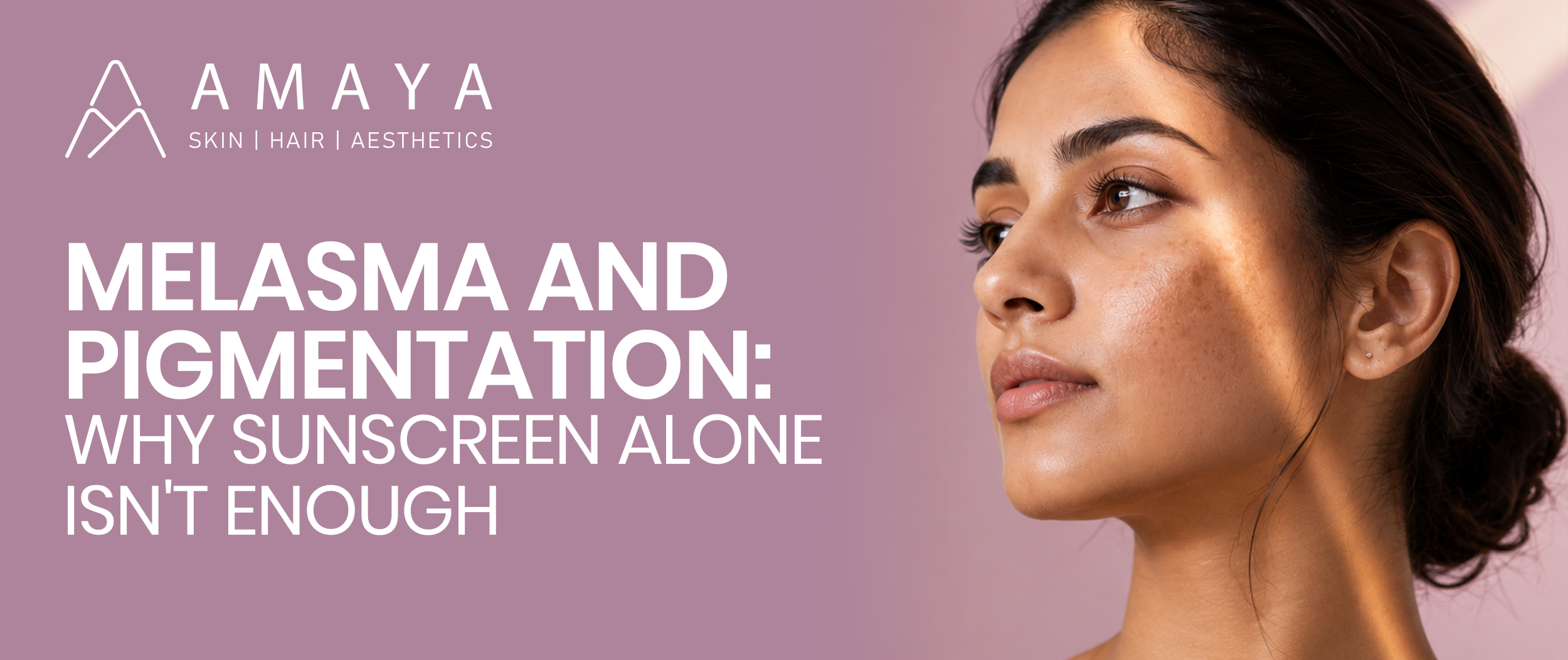
Melasma and pigmentation are common skin concerns that affect many people, especially in a country like India where prolonged sun exposure, hormonal changes, and environmental factors contribute to uneven skin tone. While sunscreen is often considered the first line of defense against pigmentation, relying on sunscreen alone may not be enough to treat stubborn melasma. A comprehensive approach that includes professional treatments, skincare routines, and lifestyle modifications is essential for achieving clearer and healthier skin.
If you are looking for effective melasma treatment in Hyderabad, consulting an experienced dermatologist like Dr. Shama Reddy at Amaya Clinics can help you achieve long-lasting results through customized treatment plans.
Understanding Melasma and Pigmentation
Melasma is a skin condition characterized by brown, gray, or dark patches that commonly appear on the face, particularly on the cheeks, forehead, upper lip, and chin. It occurs when melanocytes, the pigment-producing cells, become overactive and produce excess melanin.
Pigmentation issues may develop due to several factors, including:
- Sun exposure
- Hormonal changes
- Pregnancy
- Genetics
- Certain medications
- Inflammation or acne scars
- Stress and lifestyle factors
Although pigmentation itself is harmless, it can affect self-confidence and become difficult to manage without professional treatment.
Why Sunscreen Is Important
Sunscreen plays a crucial role in preventing pigmentation from worsening. UV rays stimulate melanin production, causing dark patches to become more prominent. Dermatologists recommend using a broad-spectrum sunscreen with SPF 30 or higher every day, even indoors.
Benefits of sunscreen include:
- Protection against UV rays
- Prevention of new pigmentation
- Reduced risk of premature aging
- Protection from skin cancer
- Maintaining treatment results
However, sunscreen alone cannot remove existing melasma or address the underlying causes of pigmentation.
Why Sunscreen Alone Isn’t Enough
Many people believe that applying sunscreen will completely eliminate pigmentation. While sun protection is essential, melasma is influenced by multiple factors that require targeted treatments.
- Hormonal Factors Continue to Trigger Pigmentation
Hormonal fluctuations during pregnancy, menopause, or due to contraceptive pills can stimulate excess melanin production. Even with regular sunscreen use, hormonal triggers may continue to worsen melasma.
- Visible Light and Heat Exposure
Not only UV rays but also visible light from screens and excessive heat exposure can aggravate pigmentation. Spending time near stoves, outdoor heat, or electronic devices may contribute to persistent melasma.
- Genetics Play a Role
People with a family history of melasma are more likely to develop the condition. Genetics influence how the skin responds to sunlight and inflammation, making professional treatment necessary.
- Existing Pigment Needs Active Treatment
Once melanin is deposited deep within the skin layers, sunscreen cannot remove it. Specialized treatments and prescription skincare products are often required to fade existing pigmentation.
Common Types of Pigmentation
Melasma
Usually appears symmetrically on the cheeks and forehead and is often linked to hormones and sun exposure.
Post-Inflammatory Hyperpigmentation
Dark spots that develop after acne, burns, or skin injuries.
Sunspots
Age spots caused by cumulative sun damage over the years.
Freckles
Small pigmented spots that become darker with sun exposure.
Effective Treatments for Melasma and Pigmentation
For individuals seeking pigmentation treatment n Hyderabad, dermatologists recommend a combination approach for the best outcomes.
Topical Medications
Prescription creams containing ingredients such as:
- Hydroquinone
- Azelaic acid
- Kojic acid
- Retinoids
- Vitamin C
These ingredients help reduce melanin production and gradually lighten dark patches.
Chemical Peels
Chemical peels exfoliate damaged skin cells and encourage skin renewal. They are highly effective for superficial pigmentation and uneven skin tone.
Benefits include:
- Brighter complexion
- Reduced pigmentation
- Improved skin texture
- Enhanced collagen production
Laser Treatments
Advanced laser technologies target excess melanin and break down pigmented cells.
Laser treatments help:
- Remove stubborn pigmentation
- Improve skin clarity
- Reduce sunspots and melasma
- Promote even skin tone
Microneedling
Microneedling stimulates collagen production and enhances the absorption of depigmenting serums. It is useful for pigmentation associated with acne scars and uneven skin texture.
Medical Facials
Dermatologist-recommended facials help rejuvenate the skin while improving pigmentation and hydration.
Lifestyle Changes That Support Pigmentation Treatment
Wear Sunscreen Daily
Reapply sunscreen every two to three hours when outdoors. Mineral sunscreens containing zinc oxide and titanium dioxide provide excellent protection.
Avoid Peak Sun Hours
Try to stay indoors between 10 AM and 4 PM when UV radiation is strongest.
Use Protective Clothing
Wide-brimmed hats, sunglasses, and scarves help shield your skin from direct sunlight.
Follow a Healthy Diet
Foods rich in antioxidants support skin health. Include:
- Berries
- Citrus fruits
- Green leafy vegetables
- Nuts
- Tomatoes
Manage Stress
Stress can trigger hormonal changes that worsen pigmentation. Yoga, exercise, and adequate sleep can help maintain healthy skin.
Skincare Ingredients That Help Reduce Pigmentation
Several ingredients are known to brighten the skin and improve melasma:
Vitamin C
An antioxidant that reduces free radical damage and brightens the skin.
Niacinamide
Helps control melanin transfer and strengthens the skin barrier.
Alpha Arbutin
A gentle skin-lightening ingredient suitable for long-term use.
Tranexamic Acid
Effective for treating melasma and preventing recurrence.
Retinol
Encourages cell turnover and improves overall skin texture.
These ingredients should be used under dermatological supervision to avoid irritation.
Importance of Professional Diagnosis
Not all pigmentation conditions are the same. Self-treatment with over-the-counter creams may worsen the problem or cause side effects. A dermatologist can accurately diagnose the type of pigmentation and recommend the most suitable treatment plan.
For those searching for skin specialist for melasma in Hyderabad, personalized care is essential because factors like skin type, severity, and underlying causes vary from person to person.
Expert Care by Dr. Shama Reddy at Amaya Clinics
When it comes to advanced solutions for pigmentation and melasma, Dr. Shama Reddy at Amaya Clinics offers comprehensive evaluation and customized treatment options. The clinic combines modern dermatology techniques with evidence-based skincare solutions to help patients achieve healthier and brighter skin.
At Amaya Clinics, treatment plans may include:
- Detailed skin analysis
- Medical-grade skincare products
- Chemical peels
- Laser treatments
- Lifestyle guidance
- Long-term pigmentation management
Under the guidance of Dr. Shama Reddy, patients receive individualized care designed to provide safe and effective results while minimizing recurrence.
Final Thoughts
Sunscreen is undoubtedly a vital part of protecting your skin, but it is not a complete solution for melasma and pigmentation. Since these conditions are influenced by hormones, genetics, inflammation, and environmental factors, a comprehensive treatment approach is necessary.
If you are struggling with stubborn pigmentation and looking for reliable a trusted skin specialist for melasma in Hyderabad, consult Dr. Shama Reddy at Amaya Clinics. Early diagnosis and expert care can help restore an even complexion and improve your confidence.
Treat melasma and pigmentation effectively with Dr. Shama Reddy at Amaya Clinics, Madhapur—call 9575796767 to book your appointment today.




Leave a Reply