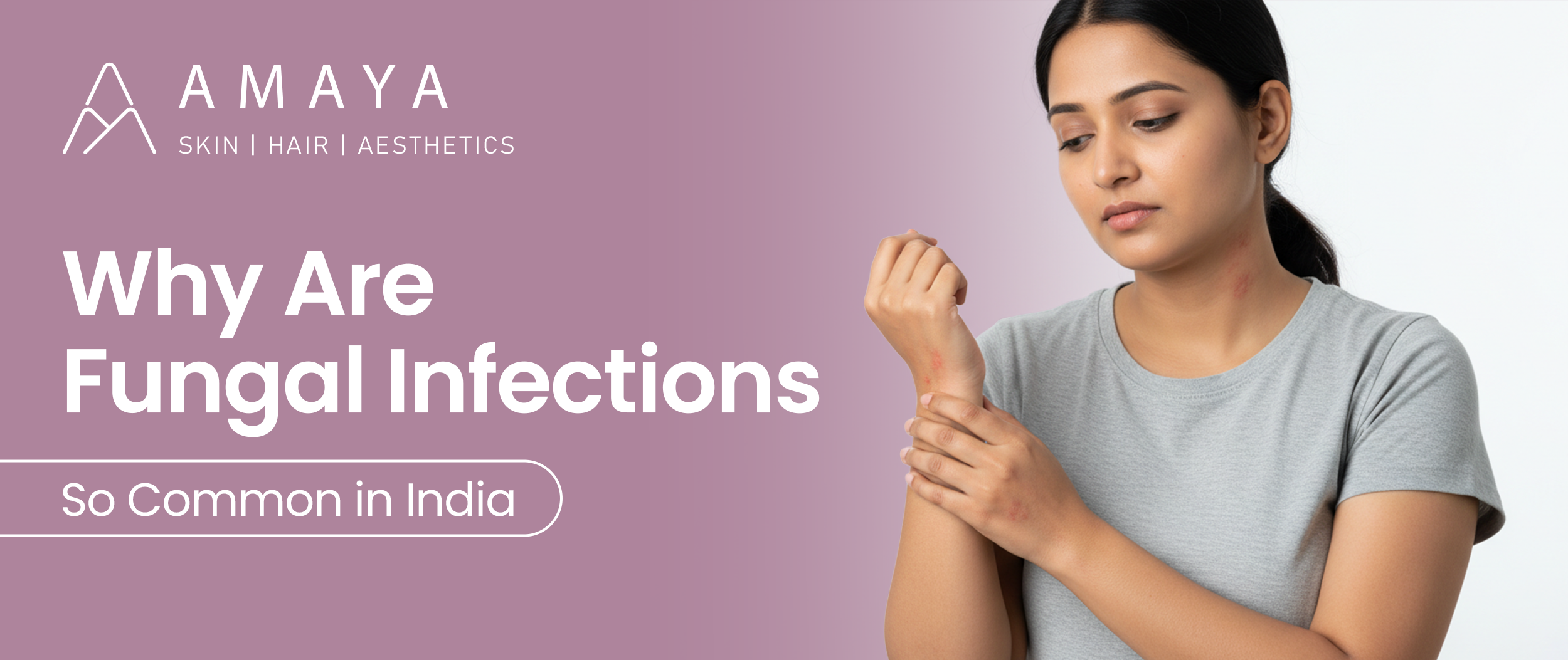
Why Are Fungal Infections So Common in India?
Fungal infections are one of the most common skin-related health issues faced by people across India. From small itchy patches on the skin to chronic nail infections and serious systemic fungal diseases, these conditions affect people of all ages. Dermatologists across the country report a steady rise in cases, especially during the summer and monsoon seasons.
India’s climate, lifestyle factors, and widespread self-medication have created an environment where fungal infections thrive. Understanding why these infections are so common, how they occur, and how they can be treated effectively is essential for long-term skin health.
What Are Fungal Infections?
Fungal infections are caused by fungi—microscopic organisms that live naturally in the environment, including soil, air, water, and on human skin. While many fungi are harmless, certain types can cause infections when they grow excessively or penetrate the skin and tissues.
Fungi prefer warm, moist, and dark environments, which makes areas like skin folds, feet, groin, and underarms particularly vulnerable. In people with weak immunity, fungal infections can also affect internal organs such as the lungs or sinuses.
Fungal infections can be:
- Superficial– affecting skin, hair, or nails
- Subcutaneous– affecting deeper layers of skin
- Systemic– affecting internal organs
Why Are Fungal Infections So Common in India?
- Hot and Humid Climate
India’s tropical and subtropical climate plays the biggest role in the high prevalence of fungal infections. High temperatures combined with humidity create ideal conditions for fungal growth. Sweat gets trapped in skin folds, footwear, and tight clothing, allowing fungi to multiply rapidly.
Monsoon season worsens the situation due to prolonged dampness, wet clothes, and increased environmental moisture.
- Excessive Sweating
Many people in India sweat heavily due to weather conditions, physical labor, or long hours outdoors. When sweat remains on the skin for extended periods, it breaks down the skin’s protective barrier, making it easier for fungi to infect.
- Tight and Synthetic Clothing
Wearing tight, non-breathable clothing—especially synthetic fabrics—prevents proper air circulation. This traps moisture and heat, particularly in areas like the groin, thighs, chest, and underarms, increasing the risk of fungal infections.
- Poor Hygiene Practices
Inadequate personal hygiene such as:
- Not drying the body properly after bathing
- Wearing damp clothes or socks
- Sharing towels, shoes, or clothing
can contribute significantly to the spread of fungal infections.
- Overuse and Misuse of Steroid Creams
One of the biggest reasons fungal infections have become chronic and recurrent in India is the misuse of over-the-counter creams that contain steroids.
These creams:
- Reduce itching temporarily
- Suppress skin immunity
- Allow fungi to grow deeper and spread
As a result, infections become resistant, widespread, and difficult to treat.
- Rising Diabetes and Weak Immunity
India has a high number of people with diabetes. High blood sugar levels weaken immunity and create a favorable environment for fungal growth. Individuals with diabetes, HIV, or those taking immune-suppressing medications are more prone to severe and recurring fungal infections.
- Overcrowding and Environmental Exposure
High population density, shared living spaces, and occupational exposure to soil and dust (especially among farmers and construction workers) increase the likelihood of coming into contact with fungal spores.
Types of Fungal Infections
- Superficial and Cutaneous Fungal Infections
These are the most common and affect the skin, hair, and nails.
Ringworm (Tinea Corporis)
- Circular, red, scaly patches
- Intense itching
- Can spread easily through contact
Athlete’s Foot (Tinea Pedis)
- Affects feet and spaces between toes
- Peeling, cracking, itching, and burning
Jock Itch (Tinea Cruris)
- Occurs in groin and inner thighs
- Common in men and people who sweat excessively
Candidiasis (Yeast Infection)
- Affects skin folds, mouth, and genital area
- Common in diabetics and people with obesity
Fungal Nail Infection (Onychomycosis)
- Thickened, yellow or brittle nails
- Slow-growing but difficult to treat
- Subcutaneous Fungal Infections
These affect deeper layers of skin and occur due to injury or trauma.
- Mycetoma– chronic swelling and discharge, usually in the foot
- Chromoblastomycosis– wart-like skin lesions
- Systemic and Opportunistic Fungal Infections
These are serious infections seen in people with weak immunity.
- Mucormycosis (Black Fungus)
- Aspergillosis
- Cryptococcosis
These infections can affect the lungs, sinuses, brain, and other organs and require urgent medical treatment.
Common Symptoms of Fungal Skin Infections
Fungal skin infections, also known as dermatophytosis or mycoses, can affect the skin, nails, and hair. The symptoms often vary depending on the type of fungus, the body part affected, and the severity of the infection. Some infections may be mild, while others can become chronic or widespread if untreated.
- Itching and Burning Sensation
- One of the earliest and most common signs.
- The affected area may feel itchy, irritating, or slightly painful.
- Itching often worsens with sweatingor in warm, humid environments.
- Red or Inflamed Skin
- The infected area usually appears red or reddish-brown.
- Sometimes the redness is accompanied by swelling.
- Borders of the infected patch may be slightly raised or well-defined (as in ringworm).
- Scaling and Flaking
- Skin may peel, flake, or develop a scaly texture.
- Scaling is common in tinea infections(ringworm, athlete’s foot).
- Circular or Ring-shaped Patches
- Seen in tinea corporis (ringworm).
- Often has a central clearing with a raised, scaly border, giving it a ring-like appearance.
- Cracks and Fissures
- In areas like between toes (athlete’s foot)or fingers, skin may crack, bleed, or develop painful fissures.
- This increases the risk of secondary bacterial infection.
- Discoloration of Skin
- Infections like pityriasis versicolorcause light or dark patches on the chest, back, or shoulders.
- These patches may fade or become more noticeableafter sun exposure.
- Thickened, Brittle, or Discolored Nails
- Nail fungal infections (onychomycosis) lead to nails becoming yellow, white, or brown.
- Nails may become brittle, crumbly, or distorted in shape.
- Blisters or Pustules
- Some fungal infections may produce small, fluid-filled bumpsthat can burst and crust over.
- Usually seen in tinea infections on feet or hands.
- Hair Loss
- Scalp infections like tinea capitiscan cause patchy hair loss, along with redness, scaling, and itching.
- Pain or Discomfort
- Severe infections, especially under nails or in skin folds, may cause pain, tenderness, or discomfortwhen walking, moving, or touching the affected area.
Diagnosis and Treatment of Fungal Infections
A dermatologist can usually diagnose fungal infections through a physical examination. In chronic or severe cases, laboratory tests may be done to identify the specific fungus.
Treatment Options Include:
- Topical antifungal creams
- Oral antifungal medications
- Combination therapy for resistant infections
- Lifestyle modifications and hygiene guidance
Completing the full course of treatment is crucial to prevent recurrence.
Expert Care by Dr. Shama Reddy at Amaya Clinics
For effective and long-lasting treatment of fungal infections, consulting an experienced dermatologist is important.
Dr. Shama Reddy, MBBS, MD (Dermatology, Venereology & Leprosy), is a trusted dermatologist at Amaya Clinics, Hyderabad. She has extensive experience in diagnosing and treating all types of fungal infections—from common skin rashes to chronic and resistant cases.
At Amaya Clinics, patients receive:
- Accurate diagnosis
- Personalized treatment plans
- Guidance on preventing recurrence
- Advanced dermatological care
Dr. Shama Reddy focuses on treating the root cause of fungal infections rather than offering temporary relief, ensuring better outcomes for patients.
Conclusion
Fungal infections are common in India due to a combination of climatic conditions, lifestyle habits, overcrowding, diabetes, and misuse of steroid creams. While many infections start as mild skin issues, delayed treatment or self-medication can make them chronic and difficult to cure.
Understanding the causes, recognizing early symptoms, and seeking timely dermatological care can prevent complications. With expert guidance from dermatologists like Dr. Shama Reddy at Amaya Clinics, fungal infections can be treated effectively and prevented from recurring.
Fungal infections are common in India due to heat and humidity—book your appointment with Dr. Shama Reddy at Amaya Clinics, Call: +91 95757 96767.





Leave a Reply